The Evolution of Fast Charging: How We Got Here
The journey of fast charging technology has been nothing short of remarkable. It all began with the introduction of the first electric vehicles (EVs) in the late 20th century, where charging times could take several hours. As demand for quicker charging solutions grew, manufacturers began to innovate. In the early 2000s, companies like Tesla and Nissan started to push the boundaries of charging speed through the development of more sophisticated charging systems. By 2010, the advent of Level 2 charging stations allowed drivers to reduce their charging times to under four hours, paving the way for more practical electric vehicle use.
As technology progressed, the world witnessed even faster charging solutions with the introduction of DC fast charging systems, which emerged around 2012. These systems drastically decreased charging times to 30 minutes or less. The deployment of ultra-fast chargers by companies like Ionity, capable of delivering up to 350 kW, has further transformed the market. Today, as we explore the future of fast charging, innovations in battery chemistry and smart grid technology promise to continue reshaping how we power our vehicles, making rapid refueling not just a dream, but an expectation for the drivers of tomorrow.
Counter-Strike is one of the most popular first-person shooter games that has captivated players since its release. The game is known for its team-based gameplay, where players can choose to be part of the terrorist or counter-terrorist team. As the game evolved, it introduced various versions and updates, keeping the community engaged. Players can enhance their gaming experience with accessories like the Top 10 Wireless Chargers for Pixel Devices, which ensure their devices are always powered up during intense matches.
Understanding the Different Types of Fast Charging Technologies
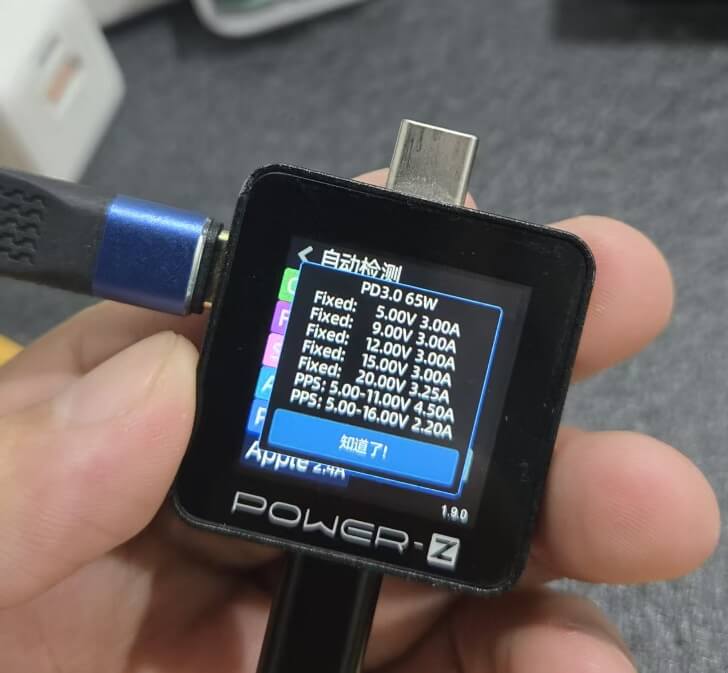
In today's fast-paced world, fast charging technologies have become essential for keeping our devices powered up efficiently. There are several types of fast charging technologies, each with unique features and benefits. Some of the most common include Qualcomm Quick Charge, USB Power Delivery (USB PD), and Adaptive Fast Charging. Qualcomm Quick Charge, for instance, adjusts the power output to charge devices at a higher rate, drastically reducing charging time. On the other hand, USB Power Delivery provides a universal charging specification that supports higher wattages, making it suitable for a variety of devices, from smartphones to laptops.
Another notable technology is Apple's Fast Charge, designed specifically for iPhones, which can charge your device up to 50% in about 30 minutes when using a compatible charger and cable. Moreover, GaN (Gallium Nitride) charging technology is gaining momentum due to its ability to deliver high power in a compact size, offering enhanced energy efficiency. As the demand for faster charging continues to grow, understanding these different fast charging technologies can help consumers make informed decisions when upgrading their devices or accessories.
What to Look for in Fast Charging Solutions: A Buyer’s Guide
When searching for the best fast charging solutions, compatibility is a key factor to consider. Ensure that the charger is compatible with your devices; this includes checking the voltage and amperage specifications. Look for chargers that support various standards like Quick Charge or USB Power Delivery (USB PD) to maximize versatility. Additionally, it's wise to consider the charging speed. A good fast charger should provide a minimum of 18W output for smartphones and higher outputs for tablets or laptops.
Another critical aspect to evaluate is the safety features integrated into the fast charging solution. Choose chargers with built-in protections like over-current, over-voltage, and short-circuit defense to safeguard your devices. It's also beneficial to check if the fast charging solution comes with a well-reviewed cable that can handle high wattage safely. Finally, read customer reviews and testimonials to understand real-world performance and reliability before making your purchase decision.