The Science of Comfort: How Ergonomic Design Enhances Productivity
The realm of ergonomic design focuses on creating environments that prioritize human comfort and efficiency. By understanding the science behind how our bodies interact with furniture and tools, designers can enhance productivity dramatically. For example, a well-designed office chair that supports the natural curve of the spine can reduce discomfort and fatigue, allowing employees to focus on their tasks without the distraction of physical strain. Studies have shown that when individuals work in ergonomically optimized spaces, their productivity can increase by up to 25%, showcasing the profound impact of comfort on performance.
Furthermore, ergonomic design also extends beyond just furniture to encompass the overall workspace layout and tools used on a daily basis. Consider the keyboard and mouse – when these devices are positioned at optimal heights and angles, it minimizes the risk of repetitive strain injuries and promotes efficient movements. Companies that invest in ergonomic assessments and redesign their workspaces often witness not only an increase in employee satisfaction but also a reduction in healthcare costs associated with work-related injuries. As we delve deeper into the science of comfort, it becomes increasingly clear that creating an ergonomically friendly environment is not merely a luxury but a necessity for fostering productivity.
Counter-Strike is a popular first-person shooter game that emphasizes teamwork and strategy. Players can choose to be part of either the terrorist or counter-terrorist team, engaging in various game modes that require precision and quick thinking. For gamers who enjoy playing from the comfort of their bed, investing in a good laptop stand can enhance their experience. Check out these Top 10 Laptop Stands for Beds to find the perfect setup.
5 Essential Ergonomic Adjustments for Your Home Office
As remote work becomes increasingly common, creating an ergonomic home office is essential for both productivity and long-term health. Here are 5 essential ergonomic adjustments that can transform your workspace:
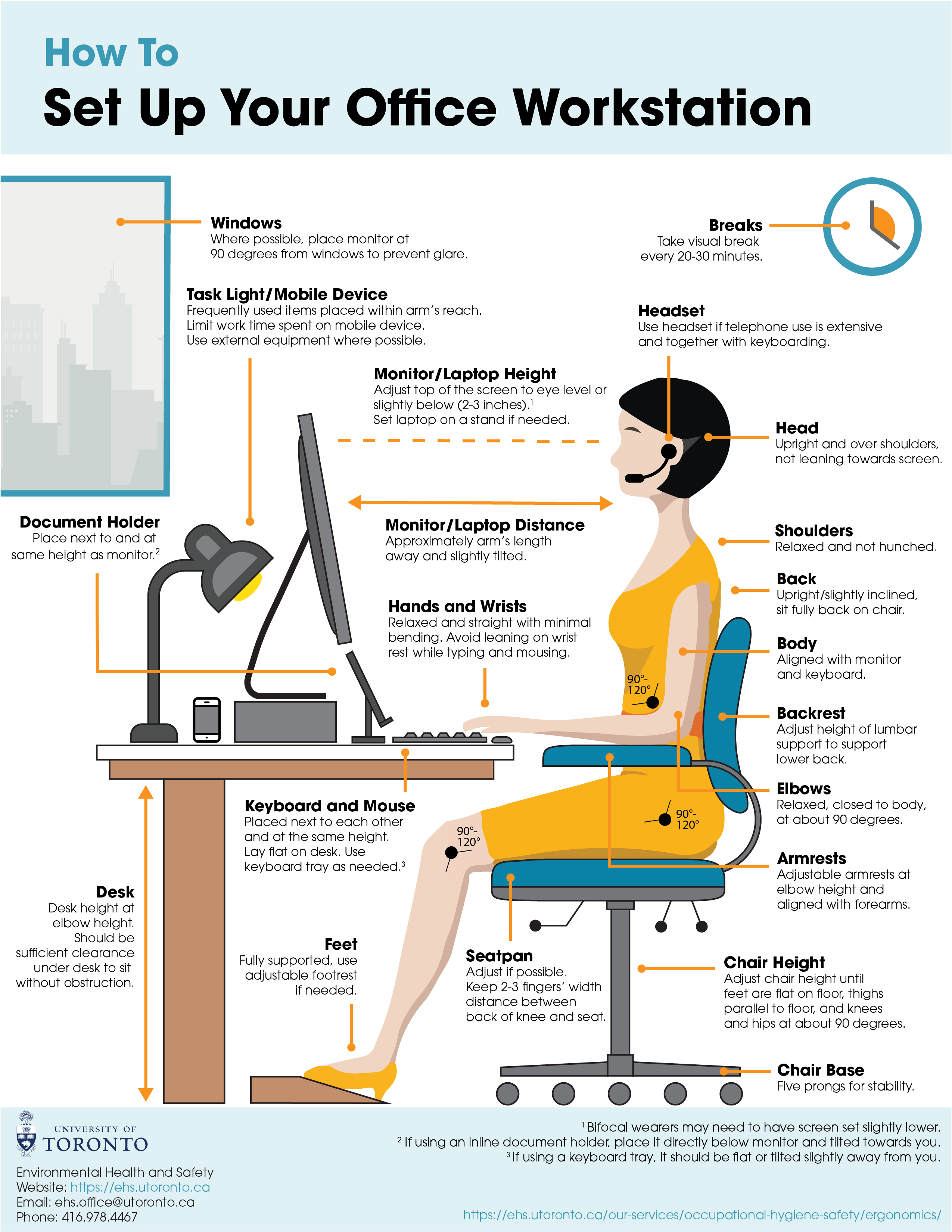
- Chair and Desk Height: Ensure your chair is adjustable, with your feet flat on the ground and your knees at a right angle. Your desk should be at elbow height to allow for comfortable typing.
- Monitor Position: Position your monitor so that the top of the screen is at or slightly below your eye level. This helps reduce neck strain, allowing you to maintain a neutral posture.
- Lighting: Use natural light whenever possible, supplemented by task lighting. Avoid glare on your screen by positioning your monitor perpendicular to windows.
- Keyboard and Mouse Placement: Keep your keyboard and mouse close and at the same level as your elbows. This minimizes reaching and encourages a relaxed position for your arms.
- Frequent Breaks: Incorporate short breaks into your routine to stand, stretch, and move around. This not only enhances circulation but also boosts productivity.
Making ergonomic adjustments in your home office not only improves your comfort but also enhances your overall work efficiency. Remember, investing in the right tools and setting up your workspace correctly can lead to significant physical and mental health benefits. Prioritize these adjustments today to create a more productive and healthier work environment!
Are You Sitting Right? Key Questions to Assess Your Workspace Comfort
In today's digital age, workspace comfort is essential for productivity and overall well-being. To assess whether you are sitting right, consider these key questions:
- Is your chair adjustable? Make sure it supports your lower back while allowing your feet to rest flat on the ground.
- Are your wrists in a neutral position when typing? Your keyboard should be at a height that keeps your forearms parallel to the ground.
Additionally, pay attention to your monitor's position. Sitting right also involves ensuring that your screen is at eye level, which helps prevent neck strain. Ask yourself:
- Is your monitor at an appropriate distance? Ideally, it should be about an arm's length away.
- Do you take regular breaks to stretch and move around? Implementing short breaks can alleviate discomfort and increase focus.