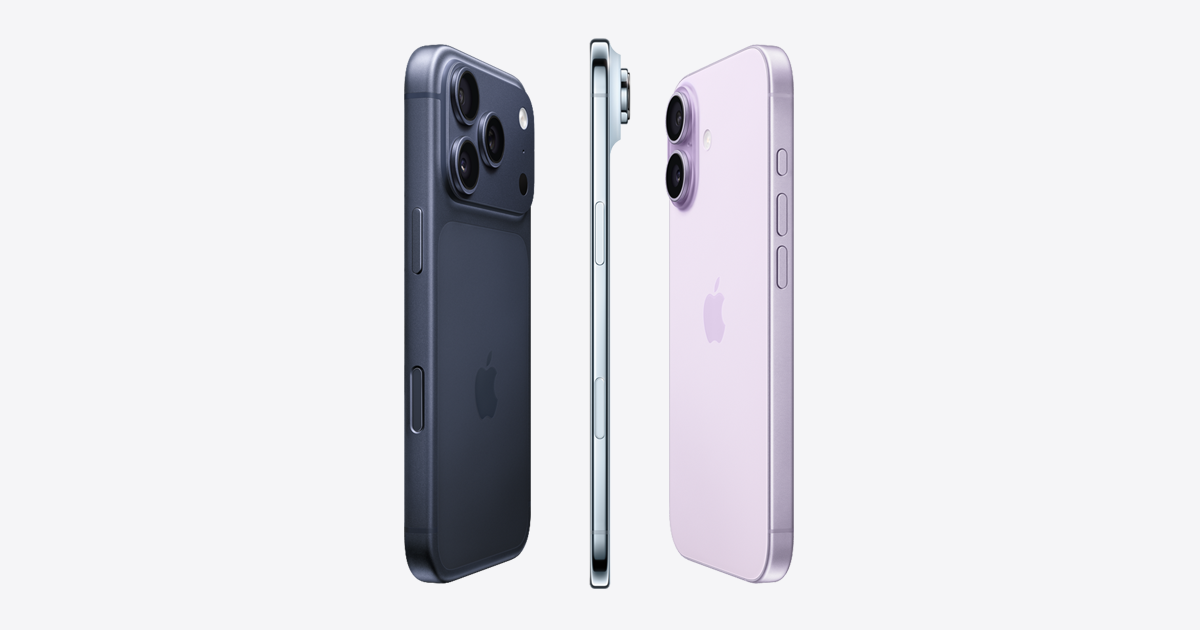
How Smartphones are Shaping Tomorrow's Technology
Smartphones have become integral to our daily lives, fundamentally reshaping the way we interact with technology. As mobile devices continue to evolve, they are propelling advancements in various fields such as artificial intelligence, augmented reality, and the Internet of Things (IoT). For instance, the integration of AI in smartphones facilitates personal assistants like Siri and Google Assistant, which enhance user experience through intuitive voice recognition and personalized recommendations. Moreover, smartphones are now acting as control hubs for smart home devices, allowing users to manage everything from thermostats to security systems seamlessly.
Looking ahead, the impact of smartphones on technology is expected to grow even stronger as they incorporate faster processors and improved connectivity options like 5G. This evolution will not only boost mobile internet speeds, making real-time data access more efficient but also enable new applications in sectors such as healthcare, education, and finance. With smartphone technology continuing to advance, we are on the cusp of revolutionary changes that could redefine industries and create a more connected, innovative world. Embracing these changes now can prepare us for a future where smartphones are at the forefront of technological progress.
Counter-Strike is a highly popular multiplayer first-person shooter game where teams of terrorists and counter-terrorists compete to achieve specific objectives. Players can choose from a range of weapons and tactics to outsmart their opponents, making strategy and teamwork essential for success. While engrossed in easy-to-understand gameplay, players might also be on the lookout for the Top 10 magsafe wallets to keep their mobile devices organized.
The Evolution of Smartphones: From Communication Tools to Essential Life Companions
The **evolution of smartphones** has transformed them from basic communication tools into indispensable life companions. Initially, in the early 2000s, smartphones were merely upgraded mobile phones, offering limited functionalities such as email and simple web browsing. As technology advanced, devices like the iPhone revolutionized the market in 2007, introducing a user-friendly interface and access to applications that expanded how users interacted with their phones. Today, smartphones are equipped with powerful processors, high-resolution cameras, and connectivity options that allow users to perform a myriad of tasks beyond just making calls or sending texts.
Today, smartphones serve as our *personal assistants*, enabling us to manage daily tasks, stay connected on social media, and even monitor our health. With the integration of artificial intelligence and machine learning, these devices have become smarter, anticipating user needs and adapting to individual habits. As a result, smartphones are not just gadgets; they have become essential life companions that play a critical role in our everyday activities. This shift signifies a deepening relationship between humans and technology, where our **smartphones** are now intimately tied to our personal and professional lives.
Are Smartphones Making Us Smarter or Just More Dependent?
In today's digital age, smartphones have become an integral part of our daily lives, serving as personal assistants, communication hubs, and gateways to infinite information. One could argue that these smart devices are indeed making us smarter by providing easy access to educational resources, enabling quick research, and facilitating online learning platforms. With applications that encourage brain training, language learning, and productivity management, smartphones have changed the way we learn and grow. However, this constant connectivity can lead to information overload, potentially hindering our ability to think critically and retain information.
On the flip side, the pervasive reliance on smartphones raises concerns about dependency. Our overwhelming attraction to these devices has led many individuals to become less skilled in navigating the world independently. Activities such as remembering phone numbers, finding our way without GPS, or engaging in face-to-face communication can feel daunting in a world dominated by screens. This duality prompts us to reflect: are smartphones enhancing our cognitive abilities, or are they creating a dependency that diminishes our personal skills? Ultimately, the impact of smartphones on our intelligence and independence lies in how we choose to use them.