Understanding the Causes of Overheating Devices: What You Need to Know
Overheating devices have become a common issue for both casual users and tech enthusiasts alike. Understanding the causes of overheating devices is crucial to maintaining performance and extending the lifespan of your gadgets. Several factors contribute to this problem, including poor ventilation, dust accumulation, and intensive usage. When devices, such as smartphones and laptops, are used in confined spaces or on soft surfaces, airflow is restricted, leading to heat buildup. Moreover, dust can clog fans and vents, exacerbating the overheating issue.
Another significant contributor to device overheating is hardware strain. Running demanding applications or games can push the CPU and GPU to their limits, generating excess heat. It’s also important to note that outdated software can lead to inefficient processing, further increasing the risk of overheating. To mitigate these risks, ensure regular maintenance, such as cleaning out vents and upgrading software. By understanding these causes of overheating devices, you can take proactive steps to protect your gadgets and optimize their performance.
Counter-Strike is a popular tactical first-person shooter that has captivated gamers around the world since its inception. It emphasizes teamwork, strategy, and skill, making it a staple in the competitive gaming scene. To enhance your gaming experience, consider checking out the Top 10 Laptop Accessories to Prevent Overheating, as overheating can negatively impact your performance during intense matches.
5 Signs Your Device is Overheating and What to Do About It
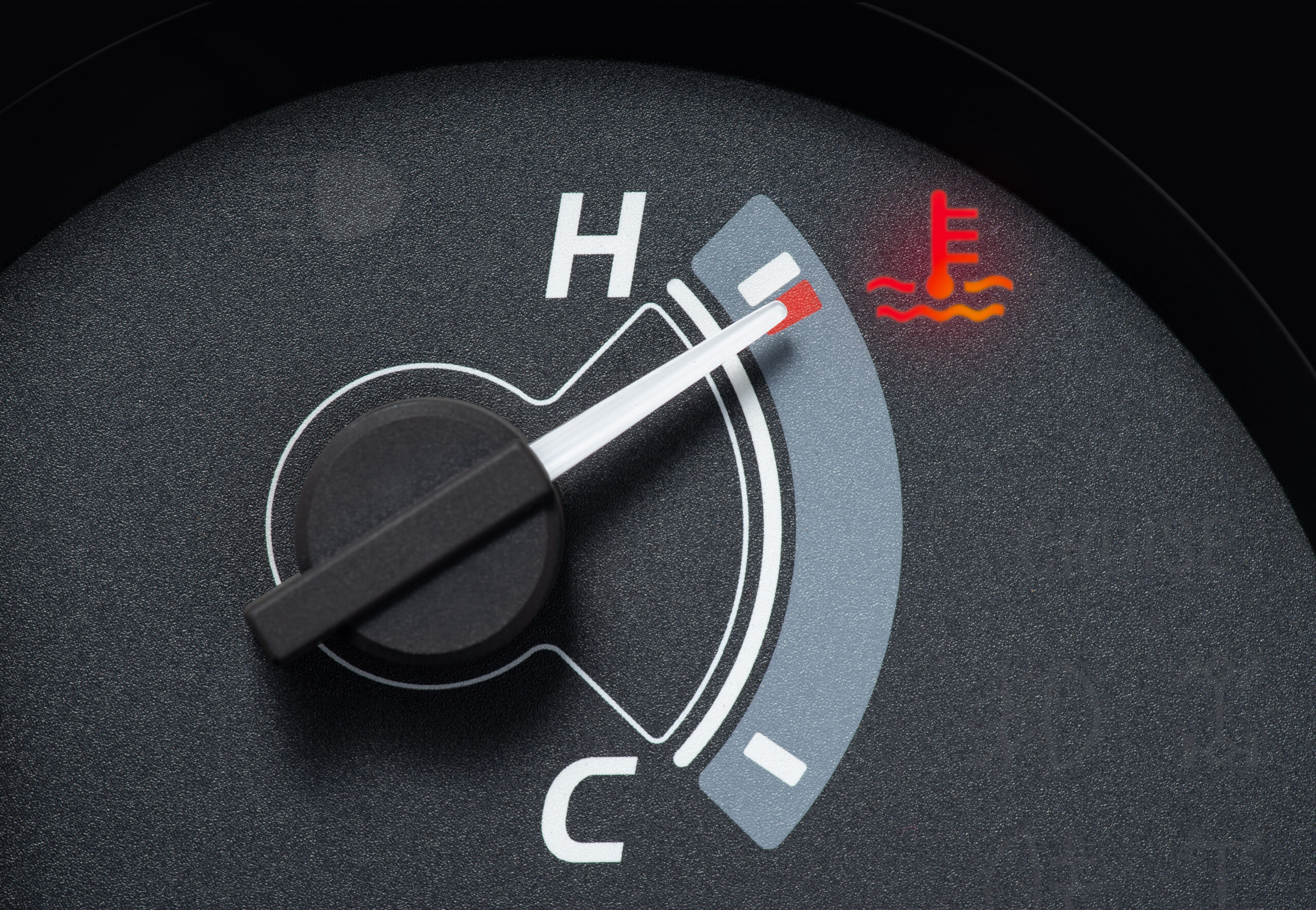
Overheating devices can pose serious risks to both performance and safety. Five signs your device is overheating include excessive heat emanating from the casing, constant or unusual fan noise, frequent crashes or unexpected shutdowns, a slow or unresponsive interface, and visible heat warning icons or alerts on the screen. Recognizing these symptoms early can help you avoid long-term damage and maintain optimal performance.
If you notice any of these signs, it's crucial to take immediate action. Start by removing any obstructions that could block ventilation, such as dust or debris. Consider using your device on a hard, flat surface to ensure proper airflow. If the overheating persists, turn off the device and let it cool down before trying to troubleshoot hardware or software issues. Regular maintenance and monitoring can prevent overheating, ensuring your device remains functional for a longer period.
Is Your Device Running Hot? Common Myths and Facts About Overheating
When it comes to overheating devices, there are several myths that can mislead users regarding the true nature of the problem. One common myth is that a device simply being warm is indicative of serious issues. However, it’s important to note that most electronics generate some heat during normal operation. According to experts, overheating occurs when the device’s temperature exceeds its normal operational range, often caused by external factors such as high ambient temperatures or prolonged use. Additionally, using an intensive application for an extended period, like gaming or video editing, can temporarily raise the device's temperature without necessarily indicating a malfunction.
Another prevalent myth is that leaving a device plugged in overnight can cause overheating and damage the battery. In reality, most modern devices are designed with built-in mechanisms to prevent overcharging. Nevertheless, it’s advisable to monitor your device's temperature during charging and ensure that it's on a hard, flat surface to aid in airflow. To further mitigate the risk of overheating, consider these tips:
- Keep vents clean and unobstructed.
- Limit resource-heavy applications.
- Use cooling pads for laptops.