The Hidden Dangers of Over-Reliance on Your Office Chair
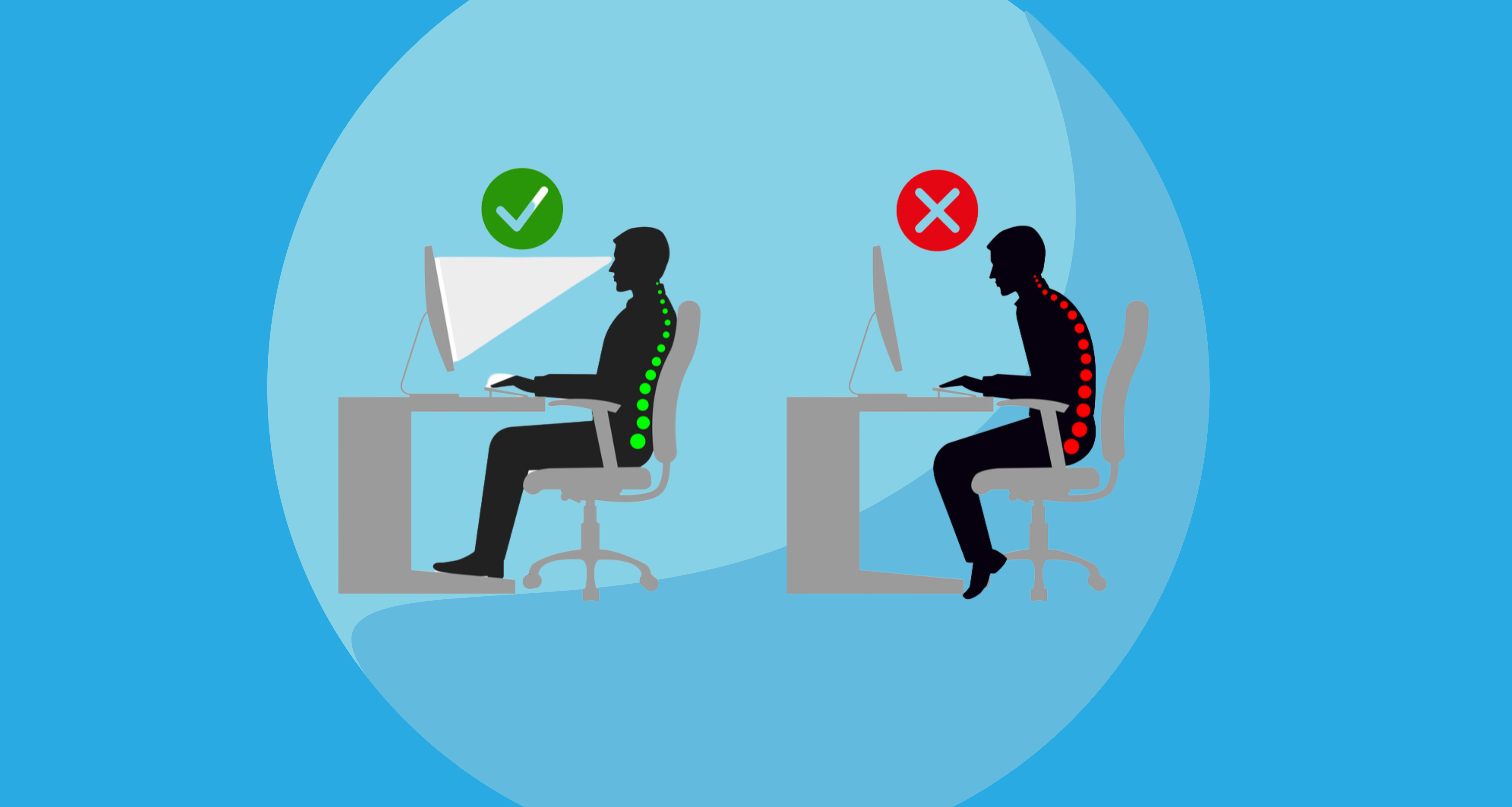
In today's fast-paced work environment, many professionals find themselves spending countless hours seated in front of a computer, often becoming over-reliant on their office chairs. While these chairs are often designed for comfort, excessive dependence on them can lead to a multitude of health issues. For instance, prolonged sitting can contribute to poor posture, resulting in chronic back pain and discomfort. Furthermore, being seated for long periods can negatively impact circulation, which may lead to more serious cardiovascular issues and fatigue. It's essential to recognize these hidden dangers and take proactive measures to combat the downsides of a sedentary lifestyle.
To mitigate the risks associated with heavy reliance on office chairs, consider incorporating the following strategies into your daily routine:
- Stand Up Regularly: Aim to stand or walk around every 30-60 minutes.
- Use an Ergonomic Chair: Invest in a chair that promotes good posture and supports your spine.
- Engage in Exercise: Incorporate regular physical activity into your day, focusing on stretches that counteract the effects of sitting.
Counter-Strike is a highly popular tactical first-person shooter that has captivated gamers since its original release in 1999. Players engage in team-based combat, often tasked with either eliminating the opposing team or completing objectives like bomb defusal or hostage rescue. As gamers seek to enhance their home gaming experience, many look for Top 10 work from home accessories to ensure they have the best setup while playing.
Is Your Office Chair Causing You More Harm Than Good?
In today's fast-paced work environment, many of us spend hours sitting at our desks, often without considering the impact our office chair has on our health. A poorly designed chair can contribute to a variety of musculoskeletal problems, including back pain, neck strain, and poor posture. According to research, an estimated 80% of workers experience some form of discomfort due to their seating arrangements. If you find yourself shifting uncomfortably or experiencing fatigue by mid-afternoon, it may be time to reassess your chair choice.
The ideal office chair should offer both comfort and support, promoting a healthy sitting posture. Look for chairs that include features such as adjustable height, lumbar support, and a seat cushion that encourages proper spinal alignment. Additionally, incorporating regular breaks and standing desk options can help mitigate the negative effects of prolonged sitting. Prioritize your health by evaluating whether your current chair is enhancing or undermining your productivity and overall well-being.
8 Ergonomic Alternatives to Help You Break Free from Your Chair Addiction
In today's digital age, many of us spend hours sitting at our desks, leading to what is often termed 'chair addiction.' To combat the negative effects of prolonged sitting, consider incorporating ergonomic alternatives into your daily routine. Here are 8 ergonomic alternatives that can help you break free from your chair addiction:
- Standing Desks: These desks allow you to work while standing, promoting better posture and reducing the risk of back pain.
- Balance Balls: Replacing your chair with a stability ball can engage your core muscles and improve your balance.
- Treadmill Desks: Combining walking with work, these desks enable you to stay active while completing tasks.
- Convertible Desks: With adjustable height settings, these desks allow you to switch between sitting and standing as needed.
If you're looking to further enhance your workspace ergonomics, consider these additional options:
- Desk Stools: A stool can encourage better posture while allowing you to shift your weight regularly.
- Ancillary Supports: Ergonomic footrests or wrist supports can contribute to better overall body alignment.
- Active Sitting Chairs: These innovative chairs promote movement and better spinal health by allowing you to pivot and shift weights.
- Stretching Stations: Incorporate a designated area for stretching breaks to keep your muscles agile and refreshed.