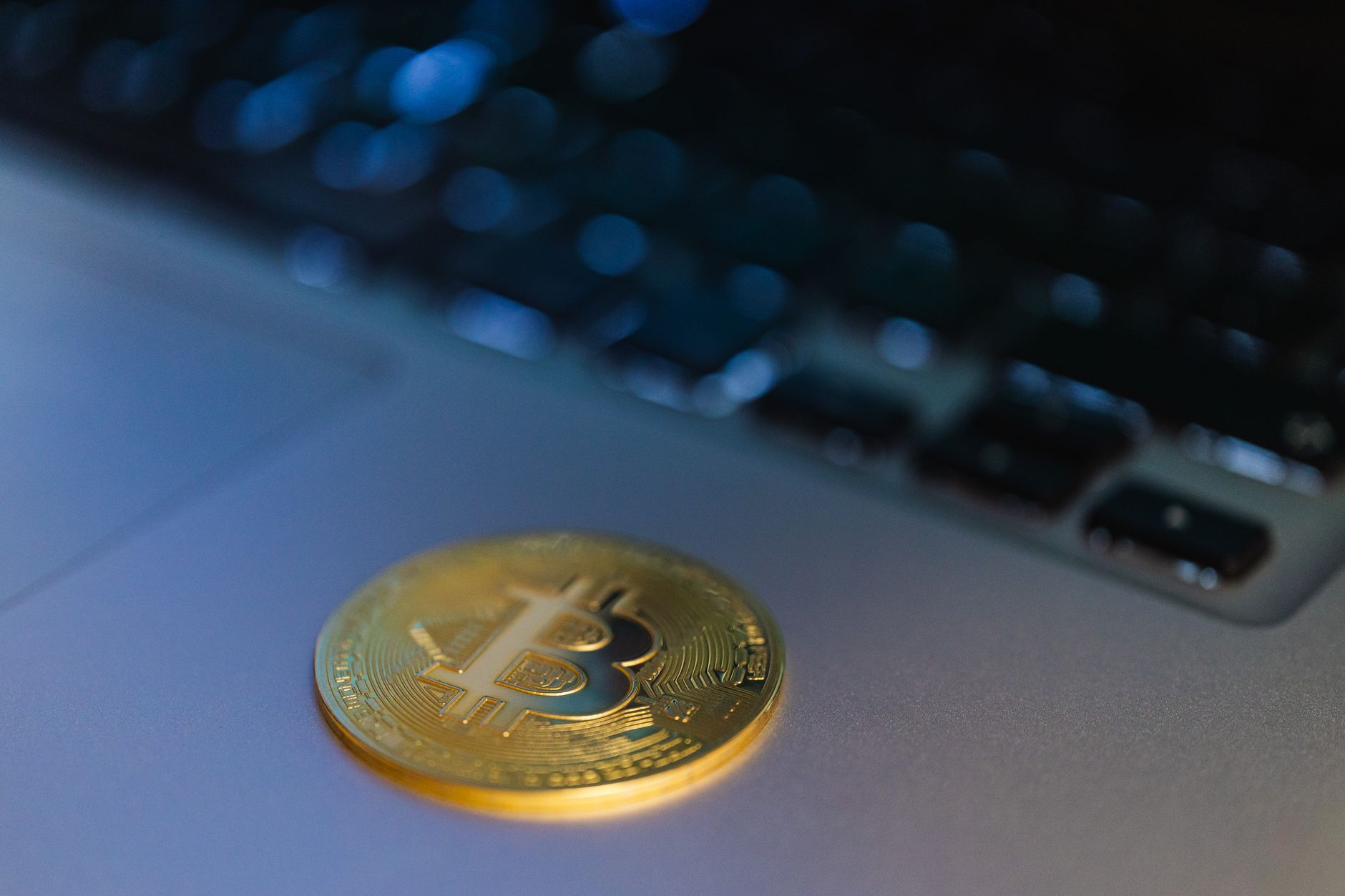
Beyond Bitcoin: Exploring Altcoin & Fiat Options for Seamless Deposits & Withdrawals – What Are Stablecoins? How Do I Use e-Wallets? Your Key Questions Answered!
While Bitcoin rightfully holds its position as the pioneer, the crypto landscape extends far beyond, offering a rich tapestry of altcoins and fiat options that streamline deposits and withdrawals. Understanding these alternatives is crucial for any crypto enthusiast or investor. For instance, altcoins encompass a vast array of cryptocurrencies beyond Bitcoin, each with unique functionalities and market positions – from smart contract platforms like Ethereum to privacy coins and utility tokens. Fiat options, on the other hand, bridge the gap between traditional banking and the crypto world, allowing you to easily convert your local currency into digital assets and vice versa. This blend of traditional and innovative financial tools provides unparalleled flexibility, catering to diverse investment strategies and transactional needs.
A significant innovation bridging the volatility of cryptocurrencies with the stability of fiat are stablecoins. These digital assets are pegged to a stable reserve asset, such as the US dollar (e.g., USDT, USDC) or even gold, mitigating price fluctuations and making them ideal for everyday transactions, remittances, and hedging against crypto market volatility. For seamless management of these diverse assets, e-wallets are indispensable. These digital wallets provide secure storage for your cryptocurrencies and often facilitate direct connections to exchanges and payment gateways. To use them, you typically:
- Choose a reputable wallet (hardware, software, or web-based)
- Create an account and secure your private keys
- Fund your wallet via an exchange or direct transfer
- Initiate transactions by sending or receiving crypto.
Mastering these tools empowers you to navigate the digital asset world with confidence and efficiency.
Crypto casino sites are revolutionizing the online gambling industry by offering a secure and anonymous way to play. These platforms leverage blockchain technology to ensure fair play and instant transactions, attracting a growing number of users worldwide. Players can enjoy a wide variety of games, from slots to live dealer experiences, all while benefiting from the transparency and efficiency that only crypto casino sites can provide. With the increasing adoption of cryptocurrencies, these sites are becoming a mainstream option for many gamblers seeking a modern and trustworthy gaming environment.
Navigating Fees, Speed & Security: Practical Tips for Choosing Your Ideal Payment Gateway – Wire Transfers vs. Crypto: Which is Faster? Are There Hidden Costs? We Break It Down!
When comparing wire transfers and cryptocurrency for payment processing, speed and cost are often the primary concerns. Wire transfers, while generally reliable and secure through established banking systems, can be surprisingly slow, particularly for international transactions. You might face delays of 1-5 business days, sometimes longer if there are intermediary banks involved. Furthermore, hidden fees can accumulate, including sender and receiver bank fees, and unfavorable exchange rates. Conversely, cryptocurrencies like Bitcoin or Ethereum offer near-instantaneous transaction speeds, often settling within minutes, regardless of geographical boundaries. However, network congestion and fluctuating 'gas fees' can impact transaction costs and processing times, especially during peak periods. It's crucial to consider the stability of the chosen cryptocurrency and the volatility of its market value.
Beyond speed and overt transaction fees, security and ease of use are paramount in selecting your ideal payment gateway. Wire transfers, while offering a high level of institutional security, require careful attention to detail to avoid errors, as transactions are often irreversible. This can be a double-edged sword: secure from fraudulent chargebacks, but unforgiving of sender mistakes. Cryptocurrencies, on the other hand, leverage robust blockchain technology, offering cryptographic security and transparency. However, the responsibility for securing your digital wallet and private keys rests entirely with you – a significant learning curve for many. Consider these practical tips:
- Assess your average transaction volume and value: High-value, infrequent transfers might tolerate wire transfer delays.
- Target audience and their tech savviness: Are they comfortable with crypto wallets?
- Regulatory compliance: Ensure your chosen method aligns with local and international financial regulations.
- Integration with existing platforms: Seamless API integration can save time and resources.
Ultimately, the 'best' option depends on your specific business needs and risk tolerance.