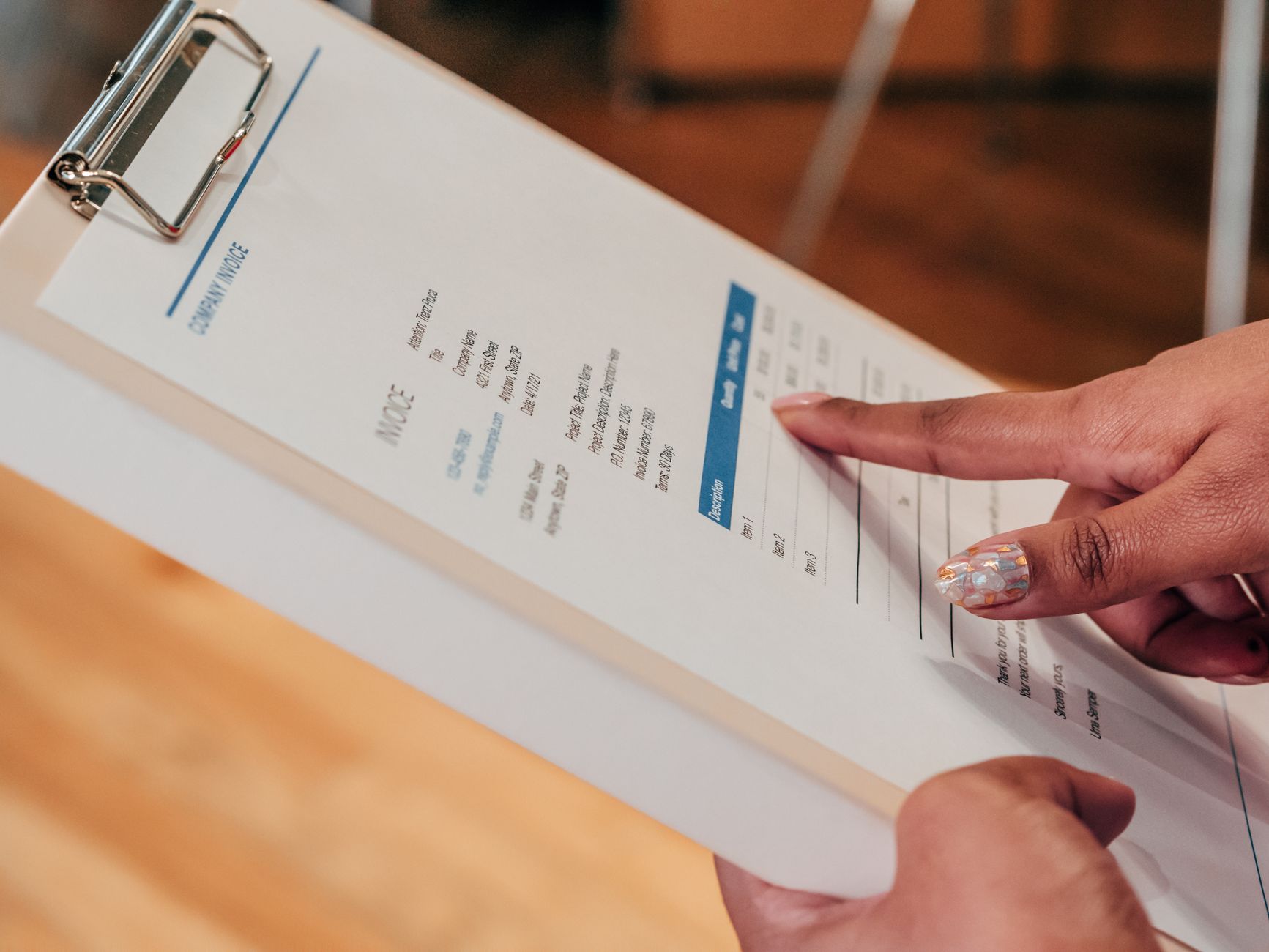
Navigating the Nuances: Understanding UAE's E-Invoicing Mandates & What It Means for Your Business
The United Arab Emirates is rapidly modernizing its financial landscape, and a key component of this transformation is the introduction of e-invoicing mandates. While still in its preparatory phase, with a formal go-live date expected in 2025, businesses operating within the UAE must understand that this isn't merely a technological upgrade but a fundamental shift in how transactions are recorded and reported. The Federal Tax Authority (FTA) aims to enhance transparency, minimize tax evasion, and streamline VAT compliance through a standardized, digital invoicing system. This move aligns the UAE with global best practices, following in the footsteps of countries like Saudi Arabia and India, and will require significant shifts in existing accounting practices, ERP system integrations, and staff training to ensure seamless compliance once the regulations are fully implemented.
For your business, navigating these upcoming mandates means more than just adopting new software; it requires a strategic overhaul of your invoicing processes. Key considerations include:
- System Integration: Ensuring your current accounting or ERP system can generate and transmit e-invoices in the prescribed format (likely XML-based).
- Data Accuracy: Maintaining pristine customer and product data to avoid errors in automated invoicing.
- Compliance Protocols: Developing robust internal protocols for invoice generation, storage, and submission to the FTA.
- Staff Training: Equipping your finance and IT teams with the necessary skills to manage the new e-invoicing ecosystem.
E-invoicing cross border transactions present unique challenges and opportunities for businesses operating internationally. Navigating diverse regulatory frameworks, tax requirements, and technical standards is crucial for successful e-invoicing cross border implementation. By embracing standardized protocols and robust platforms, companies can streamline their global invoicing processes, reduce manual errors, and enhance compliance across various jurisdictions.
From Setup to Success: Practical Tips for Implementing E-Invoicing & Answering Your FAQs
Embarking on your e-invoicing journey doesn't have to be daunting. The key is a well-structured implementation plan. Start with a thorough assessment of your current invoicing processes and identify areas for automation and improvement. Consider your existing accounting software: does it offer native e-invoicing capabilities, or will you need an integration with a third-party provider? Don't underestimate the importance of staff training; ensure your team understands the new system, its benefits, and how to troubleshoot common issues. A phased rollout, perhaps starting with a smaller department or specific client group, can help identify and address hiccups before a full-scale launch. Remember to clearly communicate the transition to your customers and suppliers, providing them with essential information and support to ensure a smooth adoption for all parties.
One of the most frequent questions we receive is, "How do I ensure compliance with different e-invoicing regulations?" The answer lies in choosing a solution that is country-specific compliant and regularly updated. Many e-invoicing platforms offer built-in compliance features, automatically adhering to local tax laws and data security standards. Another common concern is the cost of implementation. While there's an initial investment, the long-term savings in reduced processing time, fewer errors, and improved cash flow often far outweigh the upfront expense. Don't forget the environmental benefits of going paperless! If you're wondering about the security of your data, reputable e-invoicing providers employ robust encryption and security protocols to protect sensitive financial information, often exceeding industry standards.